
How can a system or websites be protected againts computer (vi) malware and hacking?

Common sense alone isn’t enough to protect your Windows PC from malware – malicious software that disrupts your computer’s operations or gathers sensitive information about your online behaviour.

Hackers can attack your PC in so many different ways that employing several layers of anti-malware protection is the only way to keep your PC malware-free when it’s online.

Here are seven steps to protect your computer from Malware and Hacking:
– Keep Windows/iOS up to date and Set up two-step verification
– Install, update and use anti-virus software / Schedule your virus scans
– Only install software from trusted sources
– Be wary of Google Chrome extensions
– Know how to spot a phishing scam

References:
https://blog.malwarebytes.com/101/2015/10/10-ways-to-protect-against-hackers/
Differentiate computer virus from a worm?

Computer Worm is a kind of malicious program, which replicates itself and spreads to other computers by network transmission medias. Then they starts to damage the systems by slowing down the computer operations such that it affects the systems performance.

Unlike the worms, Computer Virus is a malicious program, which replicates by attaching it to a link and spreads to other computers. If any person clicks on the malicious links, The malicious links lead to widespread of virus and attacks on the Systems Registry, Operating Systems, Master Boot Record of the Hard Disk Drive and it’s more destructive than that of worm.

References:
https://www.cisco.com/c/en/us/about/security-center/virus-differences.html

What is the difference between a hacker and a cracker?

A hackers are most often programmers; interested in knowing how things work. They like to explore and discover the computer systems, programming and the networks. As such, hackers obtain advanced knowledge of operating systems and programming languages, some hackers may only be interested in learning the things others turn their passion into their profession thus making them professional hackers. They are essentially very well acquainted with all sorts of software tools, techniques and codes that the crackers know. They know how a cracker would attempt to attack any content which is meant to be secure on the websites and across computer systems.  Hackers constantly seek further knowledge, freely share what they have discovered, and never intentionally damage data. 

A cracker also known as “Black Hats” is one who breaks into or otherwise violates the system integrity; they gain access to the accounts of people maliciously and they can misuse the secured information across networks of remote machines with malicious intent. Having gained unauthorized access, crackers destroy vital data, deny legitimate users service, or cause problems for their targets. Their purpose can range from little personal gains to bigger criminal interests, crackers can easily be identified because their actions are malicious.

References:
https://searchenterprisedesktop.techtarget.com/tip/The-difference-between-hackers-and-crackers

What are the possible and most dangerous effects of computer Viruses in compoter systems and websites?

Computer viruses are programmed to harm your computer by damaging programs, deleting files, or reformatting the hard drive. Others simply replicate themselves or flood a network with traffic, making it impossible to perform any internet activity. Even less harmful computer viruses can significantly disrupt your system’s performance, sapping computer memory and causing frequent computer crashes.

References:
https://www.webroot.com/in/en/resources/tips-articles/computer-security-threats-computer-viruses

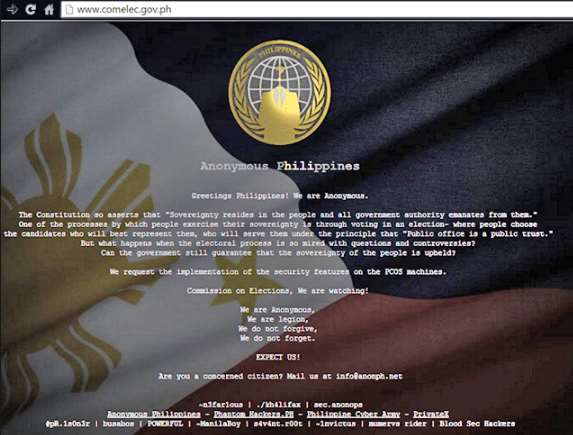
Who is the suspect behind hacking the COMELEC websites in 2016? What was the reason behind hacking?

Paul Biteng, a 23-year-old fresh graduate of Information Technology; arrested by agents of the National Bureau of Investigation (NBI) at his house along G. Tuazon and Miguelin streets in Sampaloc, Manila at past 7 p.m. Biteng was arrested by virtue of a search warrant issued by a Malabon City court; Agents, seized his personal computer, which will be subjected to digital forensic examination, to check his activity before, during and after the Comelec hacking. 

Biteng himself “admitted that he defaced the website.” and “He wanted to show how vulnerable the website is to hacking,” Bautista said. “He wanted the Comelec to make sure the security features of the vote counting machines would be implemented during the election.”

References:
https://www.rappler.com/nation/politics/elections/2016/130252-suspected-hacker-comelec-website-nabbed

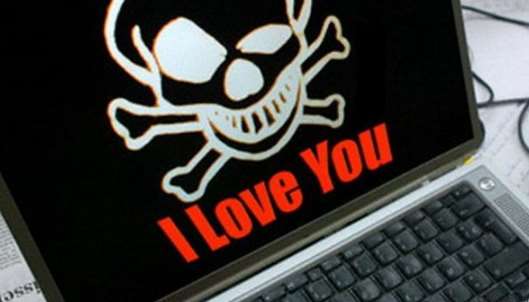
How did Iloveyou virus spread throughout the wrold? How much was the damage?

The virus/worm/trojan that attach itself to an email and send it to every contact person in the infected computer. At that time computer illiteracy isnotoriously high that almost everyone would be tricked to open the email andrun the VBScript. Love bug Virus isconsidered one of the most spectacular virus outbreaks in cyberhistory. The virus is so destructive that it even Pentagon forcedto close its servers. More than $10 billion dollars are wiped off the globalmarket in the day when the virus wreaked havoc.

References:
https://www.rferl.org/a/1093872.html

Who is Onel de Guzman? What crime did he commit?

“Onel de Guzman” a Filipino student from AMA who became a suspect for unleashing the “I Love You Virus” because of a thesis proposal he had submitted to his college which was rejected because it was unethical. Onel De Guzman along with his partner Michael Buen released the most destructive computer virus to date. The virus was believed to be written by Michael Buen and released mistakenly by Onel de Guzman but was not the one who coded the virus.

References:
https://www.nytimes.com/2000/10/21/business/a-filipino-linked-to-love-bug-talks-about-his-license-to-hack.html

How did Mafiaboy performed the attack?

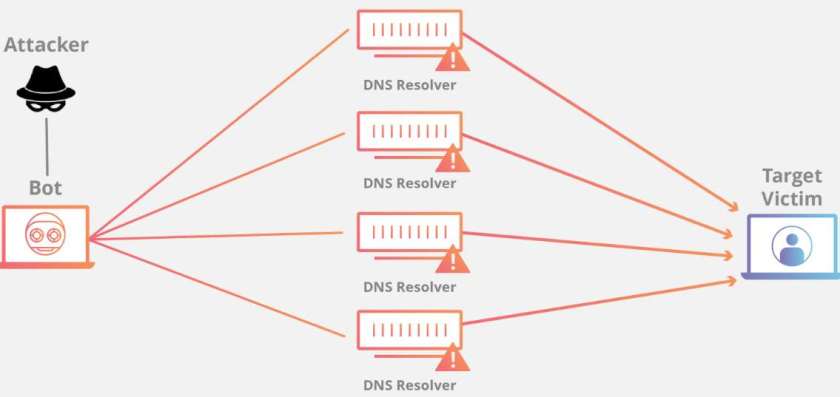
“Denial-of-Service Attack” (DoS attack) is a cyber-attack in which the perpetrator seeks to make a machine or network resource unavailable to its intended users by temporarily or indefinitely disrupting services of a host connected to the Internet. Denial of service is typically accomplished by flooding the targeted machine or resource with superfluous requests in an attempt to overload systems and prevent some or all legitimate requests from being fulfilled; this effectively makes it impossible to stop the attack simply by blocking a single source.

References:
https://www.irishtimes.com/business/technology/it-security-faces-huge-challenge-says-hacker-mafiaboy-1.3046238